
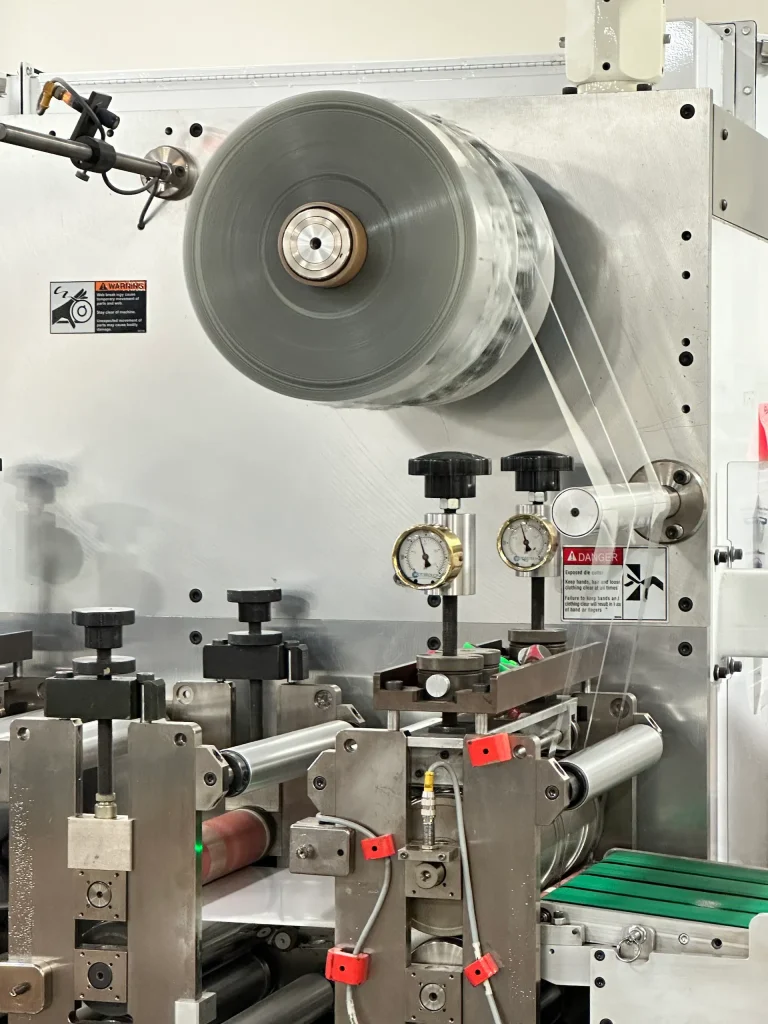
Colvin Friedman converts cork gasket materials using precision die-cutting methods that preserve cork’s cellular structure while delivering dimensional accuracy for oil sealing and vibration isolation programs. Our rotary and flatbed capabilities handle natural cork and cork composites, producing gaskets that maintain compressibility and recovery characteristics across production volumes.
Or Call Vice President Josh Rodman: 707-769-4488
Colvin Friedman die-cuts cork gasket materials selected for their specific bonding systems and performance characteristics. Each material addresses distinct sealing and isolation requirements.
| Material Type | Functional Characteristics | Primary Applications |
|---|---|---|
| Natural Cork | Impermeable cellular structure provides compression recovery. Operates to 275°F. Biodegradable and sustainably harvested. | Valve cover gaskets, electrical transformer seals, sump applications where recovery after compression is required |
| Nitrile Cork | Cork granules bonded with nitrile rubber deliver oil and fuel resistance while maintaining cork's compressibility | Oil seals, fuel system gaskets, transformer bushings exposed to petroleum products |
| Neoprene Cork | Cork blended with neoprene provides weather resistance and moderate chemical resistance with vibration dampening | Marine gaskets, outdoor enclosures, automotive applications requiring weather exposure tolerance |
Cork gaskets meet sealing and vibration-control requirements in applications where compressibility and resilience are selection criteria.
Nitrile-bonded cork gaskets resist degradation from petroleum products while maintaining the compression-recovery behavior needed for effective sealing under low-to-medium bolt pressure. We convert nitrile cork for transformer bushings, oil pan gaskets, and fuel system components.
Cork's honeycomb cellular structure absorbs vibration and reduces noise transmission. Natural cork gaskets and neoprene cork composites damp vibration in machinery mounts, pump assemblies, and control panel installations, improving operational environments by reducing equipment noise.
Cork gaskets compress to fill surface irregularities and then recover to maintain seal integrity. We cut natural cork gaskets for valve covers, electrical enclosures, and inspection ports where bolt loads remain moderate, and gasket recovery prevents fluid or gas migration.
Neoprene cork gaskets withstand UV exposure, ozone, and moisture in outdoor equipment housings, marine applications, and lighting assemblies where weather resistance is mandatory. The closed-cell structure blocks moisture intrusion that would compromise less resilient materials.
or Call Josh at (707) 769-4488
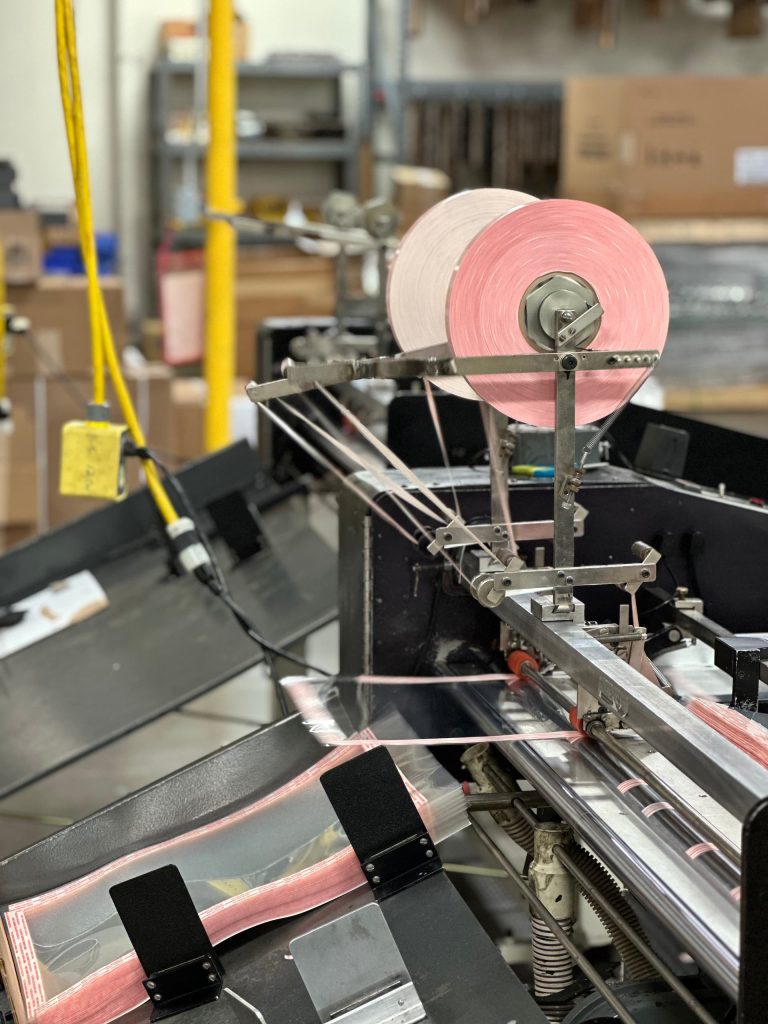
| Manufacturing Capability | Technical Detail |
|---|---|
| Material-Specific Die Configuration | Cork’s compressible structure requires controlled cutting pressure to prevent cell collapse and edge distortion. Die geometry and press dwell are calibrated to the material density to maintain dimensional accuracy without crushing the cellular matrix. |
| Kiss-Cut Capability for Adhesive-Backed Gaskets | For cork gaskets with pressure-sensitive adhesive backing, kiss-cut depth is precisely set to separate the gasket from the liner without cutting the release layer, enabling easy peel-and-place installation. |
| Registration Control in Multi-Layer Stackups | When cork is laminated with elastomer films or PSA layers, we maintain material tension and verify alignment before production to prevent layer shift that could compromise gasket geometry. |
| U.S.-Based Production with Three-Week Lead Times | Domestic manufacturing avoids overseas shipping delays and enables direct communication with engineers, accelerating prototype-to-production timelines. |
or Call Josh at (707) 769-4488
Proper handling, cutting, and storage of cork materials are critical to producing high-quality, durable gaskets.
Presses are calibrated to cut cork cleanly without crushing its cellular structure, preserving recovery and seal performance
Maintain humidity-controlled storage and rotate stock to prevent moisture absorption and age-related degradation
Select adhesives formulated for cork surfaces and verify peel strength during prototyping for PSA-backed gaskets
Inspect edges for torn cells or incomplete cuts; monitor quality throughout production to detect die wear early
or Call Josh at (707) 769-4488
Colvin Friedman applies process controls designed to maintain cork gasket dimensional stability and material performance across prototype and production volumes.
01

02

03
04
Provide material certifications, inspection reports, lot traceability, and regulatory compliance documentation
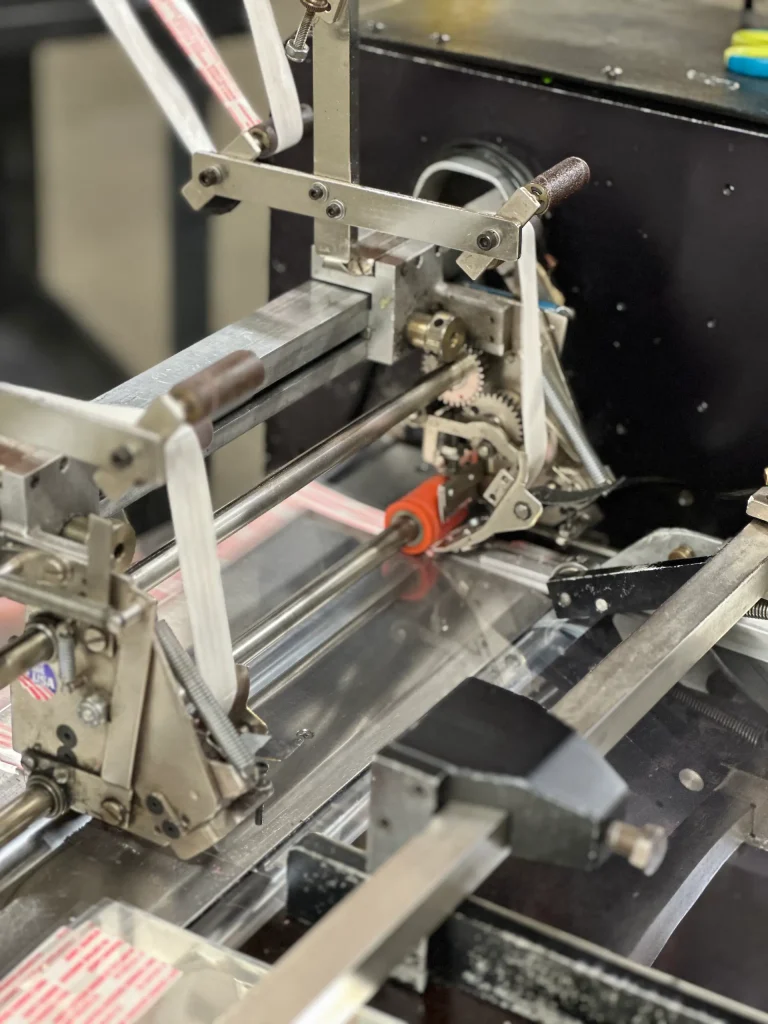
Proper handling, cutting, and storage of cork materials are critical to producing high-quality, durable gaskets.
By controlling key aspects of material handling and die setup, we maintain the performance and integrity of every cork gasket.
| Challenge | Colvin Friedman Solution |
|---|---|
| Edge Distortion Under Cutting Pressure | Blade geometry configured to cut cork cleanly without lateral compression that distorts gasket perimeter |
| Thickness Variation Across Material Sheet | Cork sheets measured before cutting; thickness compensation applied when material variation could affect performance |
| Adhesive Transfer to Die Surface | Kiss-cut depth calibrated for liner construction; die surfaces maintained to prevent adhesive buildup |
| Cell Collapse During Cutting | Press dwell time and blade sharpness controlled to cut cork without crushing cellular structure |
Cork gaskets remain on the adhesive liner until installation. The gasket is cut while the liner stays intact for peel-and-place assembly.
Individual gaskets are delivered flat or nested for manual installation in low-volume assembly operations.
Cork gaskets are laminated with elastomer films, thermal pads, or carrier layers in applications requiring combined sealing and insulation.
Liners include tabs or slits for rapid separation in gloved-handling environments common on manufacturing floors.
or Call Josh at (707) 769-4488
These key factors help ensure cork gaskets perform reliably in their intended applications.
Natural cork operates up to 275°F; cork composites with neoprene or nitrile binders extend limits to ~250°F depending on formulation
Suitable for low- to medium-bolt-pressure applications; high torque can crush cork and reduce recovery
Natural cork resists water and ozone but degrades with strong acids; nitrile cork tolerates petroleum products; neoprene cork resists moderate chemicals and weathering
Cork compresses to conform to surface irregularities; rough or damaged surfaces may require thicker gaskets for effective sealing
Whether you’re replacing an existing gasket design or developing a new sealing solution, we review the specifications and material requirements before providing a quote.
Or Call Vice President Josh Rodman: 707-769-4488
Rotary die cutting achieves ±0.005″ on cork materials when geometry and thickness permit. Flatbed processes typically hold ±0.010″ depending on cork density and gasket design.
Blade sharpness and press dwell are calibrated for cork density. Dies are maintained to cut cleanly without excessive pressure that crushes the cellular structure.
Yes. We laminate pressure-sensitive adhesives to cork substrates and kiss-cut the gasket while leaving the liner intact. Adhesive selection is based on the cork’s porosity and the required peel strength.
Natural cork operates to 275°F. Cork composites with elastomer binders typically handle 250°F, depending on the specific formulation and exposure duration.
We source cork materials from qualified suppliers and maintain on-site inventory for quick-turn programs. Customer-supplied materials are evaluated before production to confirm compatibility with our cutting processes.