

When your high-pressure systems, chemical processing equipment, or food-grade environments demand reliable sealing solutions, trust Colvin Friedman’s 75+ years of precision rubber gasket manufacturing expertise.
We specialize in die-cutting custom rubber gaskets to tolerances as tight as ±0.005 inches, delivering the dimensional accuracy and material performance your critical applications require. Request Your Rubber Gasket Manufacturing Quote
or call Vice President Josh Rodman at (707) 769-4488
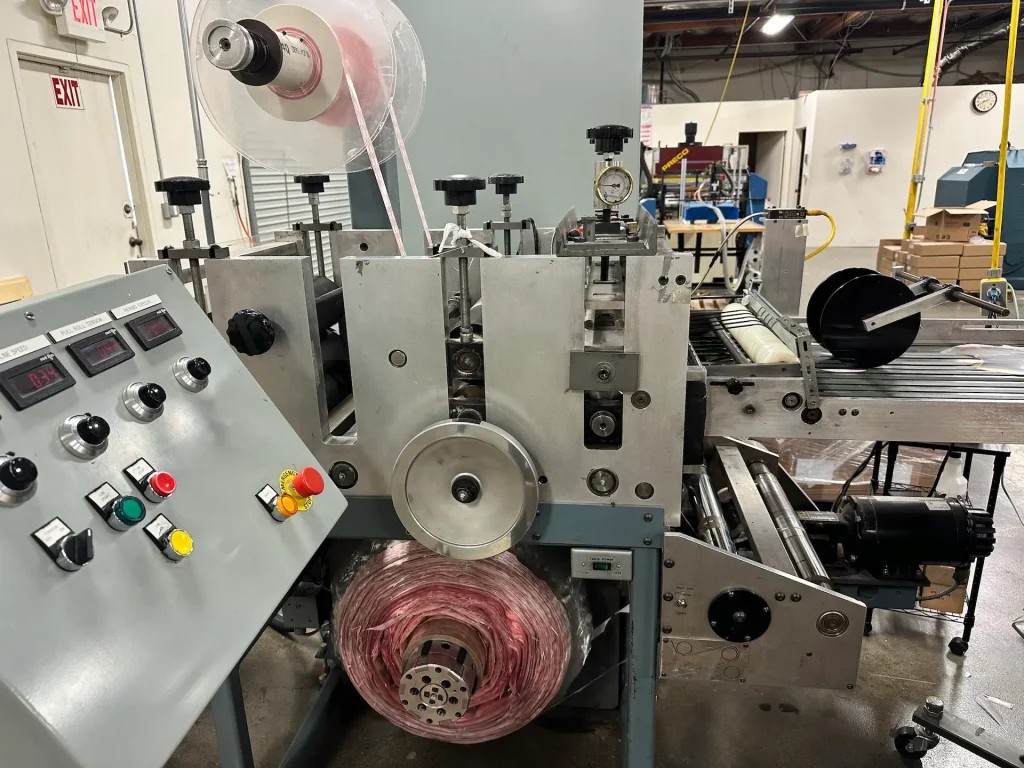
| Specification | Rotary Die-Cutting | Flatbed Die-Cutting |
|---|---|---|
| Maximum Width | 16 inches (can slit larger jumbos) | 40 inches |
| Material Thickness | Up to 0.015" (material dependent) | Up to 0.5" (material dependent) |
| Precision Tolerance | ±0.005 inches | ±0.010 inches |
| Production Capacity | Up to 40,000 units/hour | 2,000-4,000 parts/hour |
| Lead Time | 3 weeks standard | 3 weeks standard |
| Applications | High-volume thin materials | Complex geometries, thick materials |
Statistical Process Control: Continuous monitoring throughout production
First Article Inspection: Set up validation for every run
Dimensional Verification: In-process checks at defined intervals
Material Testing: Compression set, durometer, and chemical resistance validation
From durable elastomers like EPDM and Neoprene to advanced compounds such as FKM and Silicone, our team selects and processes materials for optimal sealing, insulation, and longevity. Whether your application requires chemical resistance, extreme temperature stability, or precise die-cutting performance, we provide the proper formulation for consistent and reliable results.
| Material | Properties | Applications | Temperature Range / Key Data | Cutting Considerations / Benefits |
|---|---|---|---|---|
| EPDM (Ethylene Propylene Diene Monomer) | Weather resistance, ozone stability, and excellent insulation | HVAC seals, weatherstripping, water-resistant gaskets | -65°F to 300°F | Controlled pressure prevents edge distortion |
| Neoprene (Chloroprene Rubber) | Environmental resistance, flexibility across a wide temperature range | Electrical insulation, cable jacketing, automotive gaskets | -40°F to 250°F | Excellent outdoor performance and chemical resistance |
| NBR (Nitrile Butadiene Rubber) | Superior oil and abrasion resistance | Oil seals, fuel hoses, chemical-resistant gaskets | Higher acrylonitrile content increases oil resistance | Ideal for petroleum-based fluid contact applications |
| Material | Properties | Applications | Temperature Range / Key Data | Additional Benefits / Notes |
|---|---|---|---|---|
| Fluoroelastomers (FKM / Viton®) | Exceptional chemical and thermal resistance | High-performance seals, aerospace components, chemical processing | -15°F to 400°F | Excellent resistance to acids, fuels, and solvents; available in 70–90 Shore A durometer range |
| Silicone Rubber (VMQ) | Extreme temperature stability, UV resistance, food-grade options | Food processing, medical devices, lighting assemblies | -65°F to 450°F | FDA-compliant food-grade formulations available; offered in solid sheets, closed-cell foam, and open-cell sponge formats |
| Thermoplastic Elastomers (TPE) | Combines plastic and rubber characteristics; recyclable | Soft grips, consumer products, low-pressure seals | — | Water-resistant, moderately heat-resistant, and flexible for versatile applications |
| Stage | Focus Area | Details |
|---|---|---|
| 1. Application Analysis & Material Selection | Operating Environment Mechanical Requirements Regulatory Compliance Installation Method |
Temperature, pressure, chemical exposure Compression set, durometer, tensile strength FDA, NSF, USDA, or industry-specific certifications Adhesive-backed, mechanical fastening, or interference fit |
| 2. Custom Formulation Development | Chemical Resistance Temperature Performance Physical Properties Regulatory Compliance |
Tailored for specific chemical contact Optimized for extreme operating conditions Customized hardness, compression set, and flexibility Formulated to meet particular industry standards |
| 3. Precision Die-Cutting & Quality Control | Blade Pressure Optimization Dimensional Accuracy Control In-Process Monitoring |
EPDM and Neoprene materials adjusted for controlled pressure to prevent edge distortion; press settings calibrated based on material hardness and thickness Kiss-cut depth held within ±0.001" tolerance; multi-layer stackup alignment monitored; edge quality inspection prevents fraying or compression damage Statistical process control tracks critical dimensions; first article inspection validates setup accuracy; continuous monitoring prevents quality drift |
| 4. Testing & Validation Procedures | Material Property Testing Performance Validation |
Compression set (ASTM D395), durometer measurement (Shore A), temperature cycling, and chemical compatibility immersion testing Sealing force analysis, pressure testing, and accelerated aging for durability assessment |
| 5. Custom Packaging & Delivery | Format Options Packaging Solutions Inventory Management Quality Documentation |
Kiss-cut on liner, sheeted parts, slit rolls, or multi-layer stackups Clean-room protocols for medical/food-grade applications Kanban, JIT, and end-to-end stocking services available Complete traceability with material certifications |
Seventy-five years of die-cutting expertise met unprecedented demand and delivered. Our COVID response demonstrated capabilities that most manufacturers only claim to have.
Our engineering team evaluates your specific requirements:
Working with material suppliers, we can develop custom rubber compounds when standard formulations don't meet your requirements:
Blade Pressure Optimization
Blade Pressure Optimization
| Application Area | Challenge | Solution | Benefits |
|---|---|---|---|
| High-Pressure Systems | Gaskets must maintain seal integrity under extreme pressure while resisting extrusion and blowout. | High-durometer FKM or NBR compounds with precision-cut geometries that resist deformation. | Reliable sealing up to 5,000+ PSI with extended service life. |
| Chemical Processing Environments | Exposure to aggressive chemicals requires specialized material compatibility. | Custom fluoroelastomer formulations or PTFE-faced rubber gaskets for ultimate chemical resistance. | Long-term performance in acids, bases, and organic solvents without degradation. |
| Food-Grade Applications | FDA compliance requires resistance to cleaning chemicals and temperature extremes. | FDA-compliant silicone or EPDM formulations with smooth, non-porous surfaces. | Easy to clean, resists bacterial growth, and meets USDA and FDA standards. |
| High-Temperature Operations | Maintaining seal performance and dimensional stability at elevated temperatures. | Silicone or fluoroelastomer materials with high-temperature stability and minimal thermal expansion. | Consistent performance from -65°F to 450°F+, depending on material selection. |
| Material Compatibility Assessment |
|---|
| Chemical Resistance: Review compatibility charts for all process fluids. |
| Temperature Range: Consider both operating and cleaning/sterilization temperatures. |
| Physical Properties: Match durometer and compression set to application requirements. |
| Regulatory Requirements: Ensure material meets industry-specific certifications. |
| Design Optimization Guidelines |
|---|
| Groove Design: Proper depth and width prevent over-compression and extrusion. |
| Surface Finish: Smooth surfaces (32 RMS or better) optimize sealing performance. |
| Corner Radii: Minimum 0.015" radius prevents stress concentration and tearing. |
| Compression Ratios: 15-25% compression is typically optimal for most rubber materials. |
| Installation Considerations |
|---|
| Assembly Torque: Specified values prevent over-compression and gasket damage. |
| Lubrication: Compatible lubricants ease installation without material degradation. |
| Surface Preparation: Clean, dry surfaces ensure optimal adhesion and sealing. |
| Storage Conditions: Proper storage prevents ozone damage and premature aging. |
With over 75 years of continuous precision manufacturing since 1949, Colvin-Friedman has built an unmatched record of zero quality rejections. Our ±0.005-inch tolerance capability and rigorous statistical process control ensure consistent, repeatable quality across every production run. Clients benefit from direct collaboration with Vice President Josh Rodman, gaining expert engineering support for complex sealing challenges.
Through decades of material expertise and design-for-manufacturability consultation, we help optimize performance, reduce revisions, and maintain the highest standards of reliability.
Quality Management: Rigorous QMS ensures repeatable CPK & PPK metrics
The standard lead time is 3 weeks from drawing approval to material sourcing. Rush orders may be accommodated, subject to current capacity and part complexity. Prototype quantities often ship within one week.
Yes, we can convert the materials you provide. We require sufficient quantities for setup and testing, as well as material specifications to optimize cutting parameters. Yield responsibility varies based on material condition and cutting difficulty.
We accept standard CAD formats, including DWG, DXF, and PDF technical drawings. Include dimensional tolerances, material callouts, and any special requirements for accurate quoting.
Statistical process control monitors critical dimensions throughout each run. The first article inspection validates setup accuracy, and in-process checks are conducted at defined intervals with documented results. Our zero-defect track record speaks to our quality consistency.
Yes, we provide comprehensive material testing, including compression set, durometer measurement, temperature cycling, and chemical compatibility assessment. All testing is conducted in accordance with ASTM standards to ensure reliable and repeatable results.
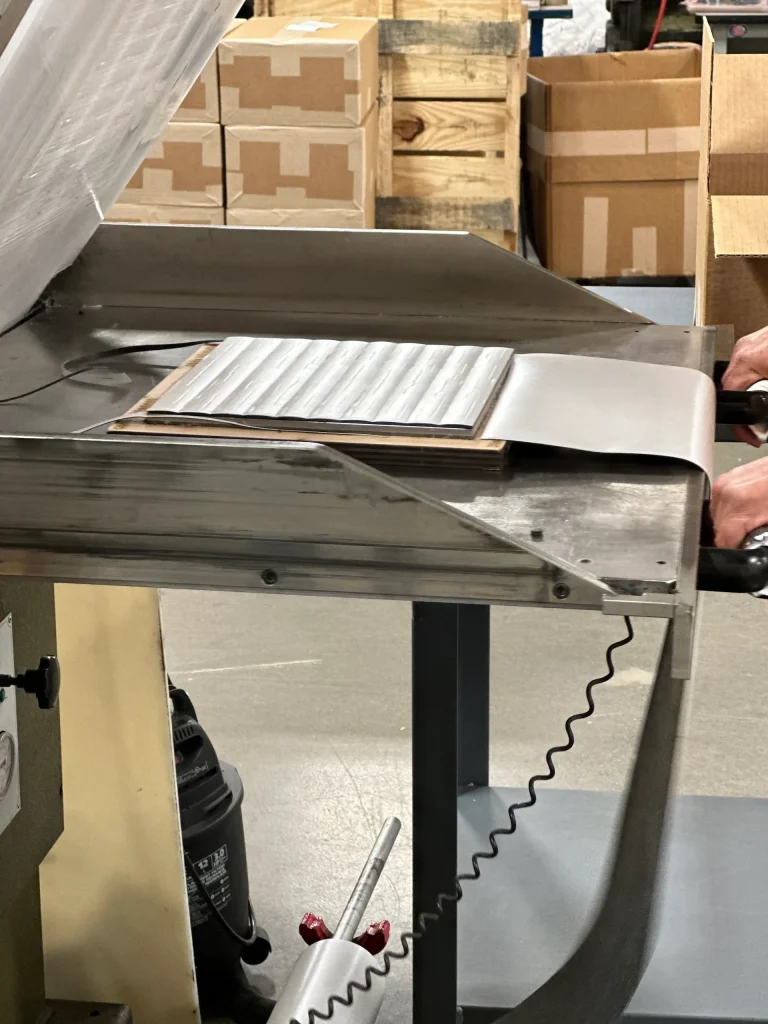
Ready to discuss your rubber gasket requirements? Our engineering team provides manufacturing feasibility guidance and material recommendations based on your performance requirements.
For immediate technical consultation, contact Vice President Josh Rodman directly at (707) 769-4488.
Our team is ready to help you develop rubber gasket solutions that meet your sealing, pressure resistance, and environmental protection needs with the precision and reliability your critical applications demand. Upload Your Technical Drawings for Quote
or call Josh Rodman directly at (707) 769-4488