
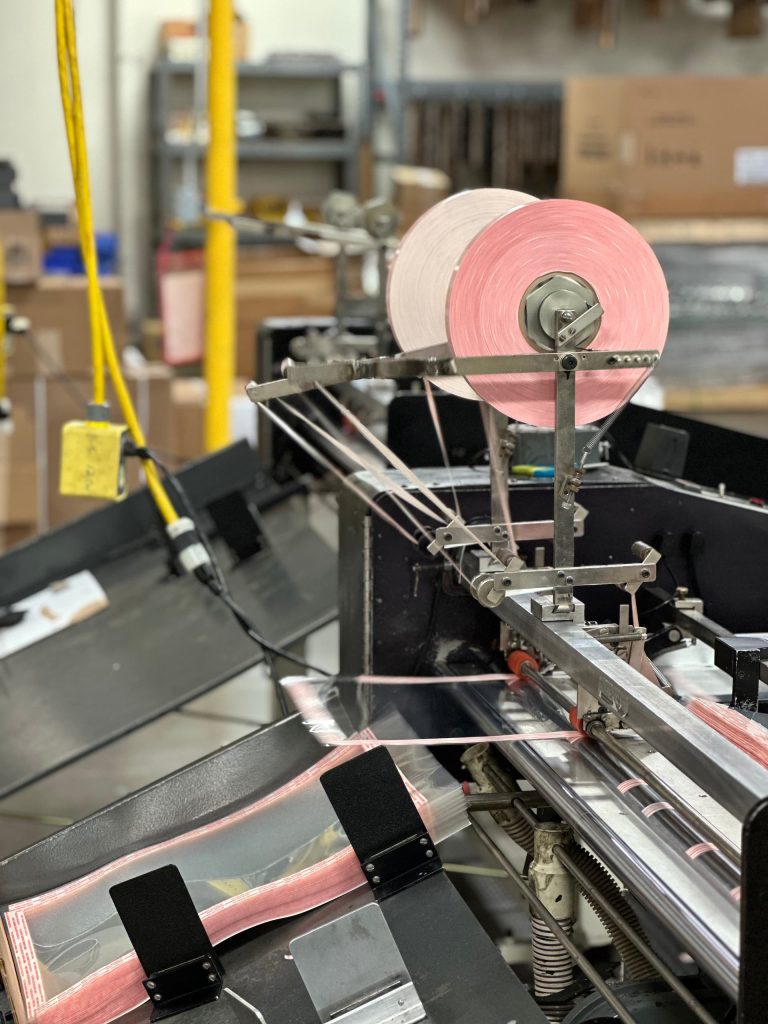
With over seven decades of foam die-cutting expertise, Colvin Friedman delivers tight-tolerance foam components for OEMs and high-volume manufacturers. Based in Petaluma, California, we specialize in flatbed and rotary die cutting for foam parts that demand precision, consistency, and scalable throughput.
We cut foam components across multiple industries and applications. Below are the most common foam die-cutting services we provide:
| Application Type | Common Uses |
|---|---|
| Protective Packaging |
|
| Industrial Gaskets & Seals |
|
| Medical Components |
|
| Electronics Protection |
|
| Sub-Assembly Components |
|
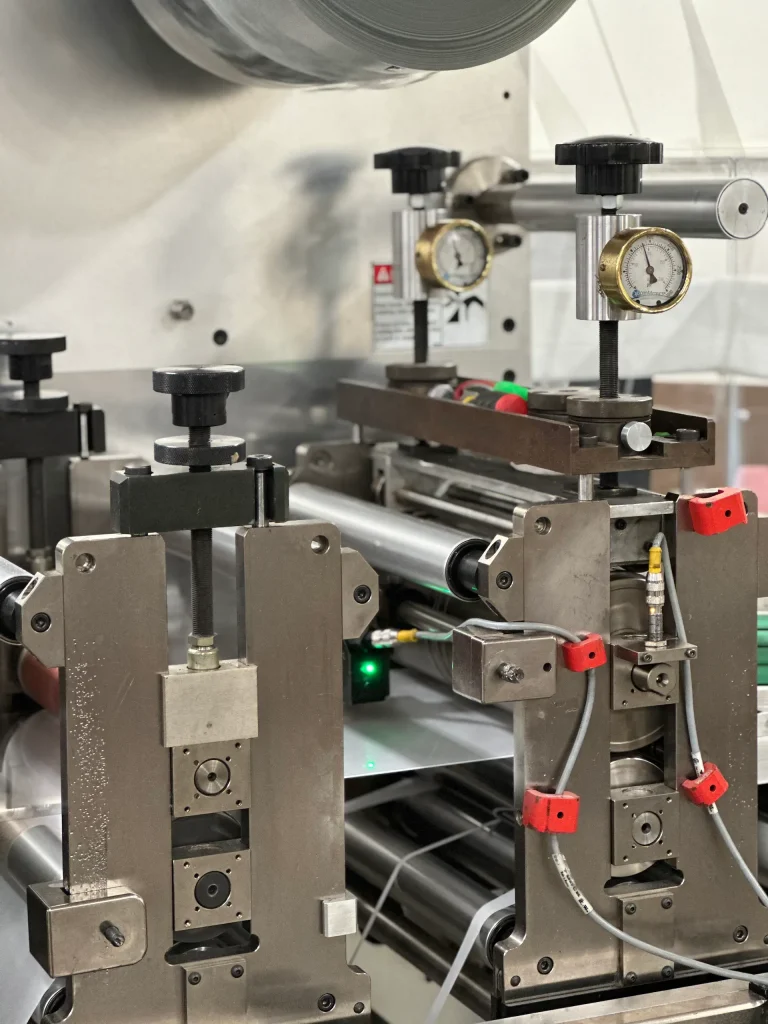
Foam presents unique die-cutting challenges due to varying density and compression characteristics. Material recovery rates also differ significantly between foam types. Our 75 years of experience cutting foam means we understand how each substrate behaves under pressure. We know how to adjust blade sharpness, cut depth, and press speed accordingly.
Wecommonly we cut:
Colvin Friedman brings over 70 years of foam die cutting experience, combining deep technical knowledge of foam compression and batch-to batch density variation to deliver clean cuts, minimal waste, and consistent tolerances on every production run. Clients benefit from direct communication with decision-makers, including immediate access to Vice President Josh Rodman, who personally oversees all production, eliminating account-manager layers and delays.
With domestic manufacturing based in Petaluma, California, Colvin Friedman offers fast, reliable lead times averaging three weeks for standard runs, along with optional stocking programs and same-day shipping for integrated supply chains. Backed by scalable, high-volume capacity of up to 40,000 units per hour and steady annual growth of 5 to 10 percent over the past two decades, the company has produced tens of millions of foam components for OEMs across the United States.
This structured foam die-cutting process delivers precise tolerances and repeatable quality at any volume.
01
1 to 3 Days

02
2 to 7 Days

03
Customer Dependent
04
Volume Dependent
05
Ongoing
This structured foam die-cutting process delivers precise tolerances and repeatable quality at any volume.
| Stage | Timeline | Key Activities |
|---|---|---|
| Design & Consultation | 1 to 3 Days |
|
| Die Creation | 2 to 7 Days |
|
| Client Approval | Customer Dependent |
|
| Production | Volume Dependent |
|
| Stocking & Packaging | Ongoing |
|
By addressing the most common foam die-cutting challenges, our process ensures predictable quality and minimal material waste.
| Challenge | Our Solution |
|---|---|
| Compression and recovery variability | We calculate compression and recovery rates for each foam and adjust die pressure, blade sharpness, and press speed to prevent tearing and uneven edges. |
| Rapid blade dulling | We sharpen dies more frequently when cutting foam and use QMS monitoring to maintain consistent edge quality throughout production. |
| Inconsistent cut depth | We use CAM systems to calibrate precise cut depths for each foam type, accounting for thickness variation to avoid incomplete cuts or excess waste. |
| Material-specific behavior | We adjust die angles, blade profiles, and press speeds based on foam density and cellular structure, tailoring the process for open-cell and closed-cell materials. |
Our in-house foam die-cutting equipment provides the flexibility to handle thin, high-volume parts as well as thicker, more complex components.
| Category | Rotary Die-Cutting | Flatbed Die-Cutting |
|---|---|---|
| Maximum Width | 16 inches (larger jumbos can be slit) | 40 inches |
| Maximum Thickness | Up to 0.015 inches, material dependent | Up to 0.5 inches, material dependent |
| Tolerance Level | Down to ±0.005 inches | ±0.010 inches, material dependent |
| Production Capacity | Up to 40,000 units per hour | Approximately 2,000 to 4,000 parts per hour |
| Best For | High-volume, thin foam components | Thicker foams, lower volumes, and complex shapes |
We integrate directly with your inventory management system to provide automatic restocking. Our 99.99% stock-out avoidance rate ensures you never run out of foam components during production.
We can laminate foam to foam. We can also laminate foam to other substrates, like: Adhesives / Films / Fabrics
We package foam components for direct shipment to distribution centers. We also package for end-use facilities. This reduces the number of handling steps in your supply chain.
We assist with material selection and prototype development. We handle fit testing and design adjustments to ensure your foam component performs as intended before full production begins.
These services are ideal for:
| Customer Type | Typical Needs |
|---|---|
| OEM Manufacturers | High-volume foam component production with tight tolerances. |
| Product Designers and Engineers | U.S.-based die-cutting partners with deep foam expertise. |
| Procurement and Supply Chain Managers | Domestic suppliers offering stocking and inventory integration. |
| Medical Device Manufacturers | Consistent, repeatable foam components for durable medical goods. |
| Industrial Manufacturers | Foam gaskets, seals, and protective components are produced at scale. |
For more information about our foam die-cutting capabilities, contact Josh Rodman directly at (707) 769-4488 To discuss your specific project requirements, Josh can answer any questions about materials, tolerances, and production capacity.
Foam varies widely in density. Foam varies widely in compression characteristics, even within the same substrate type. Blades dull faster. Cut depth control is critical. Compression recovery must be calculated. We’ve refined these processes over 75 years to minimize waste and ensure clean cuts across all foam types.
Yes. We produce up to 40,000 foam components per hour, depending on part size. During the COVID-19 pandemic, we cut 1 million face shields over three months, demonstrating our ability to scale rapidly for urgent high-volume needs.
Yes. We help select the right foam substrate and develop prototypes. We run fit and function tests. We recommend design adjustments to ensure optimal performance before full production.
Average production requires a 3-week lead time. For clients with ongoing needs, we offer stocking services that provide same-day shipping on orders with blanket purchase orders.
Rotary die cutting can achieve tolerances down to ±0.005 inches. Flatbed die cutting typically achieves ±0.010 inches. Actual tolerances depend on foam substrate, thickness, and density.