
Is Die Cutting Expensive?
Process Fit, Material Limits, and Volume Breakpoints Define True Cost Die cutting becomes expensive when the selected process doesn’t align with the application’s physical and production constraints. Flatbed systems are best suited for thicker or rigid materials and provide flexibility for low-volume runs. Rotary systems, by contrast, deliver high-speed efficiency with thin, roll-fed substrates when […]
Die Cutting vs. Laser Cutting: The Complete Guide
Reading Time: 6 minutes Die cutting and laser cutting use different methods to shape material, and those differences affect how each performs in production in terms of cost, material suitability, and other factors. This guide specifically covers: Fundamental Differences in Process Mechanics Cutting Method Breakdown Die cutting and laser cutting differ at the most foundational […]
Die Cutting Size Chart: A Comprehensive Guide for Manufacturers
Reading Time: 6 minutes Die cutting size introduces limitations based on material type, cutting method, and tolerances and adapting to these constraints is critical to ensuring high-quality results. This guide covers and includes: Die Cutting Size Chart: Materials and Size Limitations Selecting the right die cutting method depends on the material type and the required […]
Die Cutting Pros and Cons
Die cutting is used in repeatable, high-volume production runs of parts such as gaskets, seals, and packaging inserts. Compared to other cutting methods like water jet cutting or machining, it enables precision over high-volume orders, but can have initial startup costs worth consideration. The two principal types are: Understanding how each cutting method can fit […]
Die Cutting Tonnage Calculation Explained
Die cutting, at its simplest, is pushing a material hard enough over a form to cut it precisely. However, to ensure precision, efficiency and maximize cost savings, experienced operators perform careful die cutting tonnage calculations to ensure that they are using enough force on the material to make the necessary cuts without wasting the energy […]
Standard Die Cutting Tolerances – Complete Guide
Reading Time: 8 minutes We have developed a complete guide to standard die cutting tolerances, including breakdowns by environmental factors, processes used and materials used to make components. Each plays a role in limiting how precise die cutters can be when creating components, and can affect part specifications and production timelines for manufacturers in stringent […]
Overview of Commercial Die Cutting Services in CA
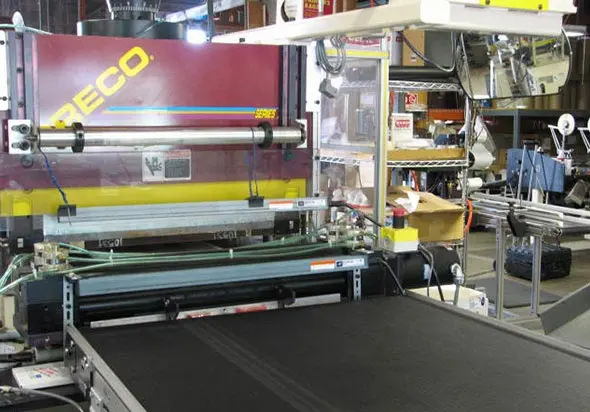
Die-cutting, an intricate process utilized in various industries, including packaging, printing, automotive, and textiles, is employed to carve out diverse designs and shapes from many materials, such as paper, rubber, and fabric. Different die-cutting processes include rotary die-cutting, involving a high-speed rotating cylindrical die to effectuate the desired shape; flatbed die-cutting, which utilizes a flatbed die that presses against the material to attain the desired shape; and laser die-cutting, which employs high-energy beams to carve out the desired shape. For the best die cutting CA has, give us a call.
A Complete Guide to the Die Cutting Process
Die cutting is a manufacturing process that involves cutting materials into specific shapes and sizes with precision and consistency. This process is achieved by using a cutting tool called a die made of steel and designed to match the exact specifications of the part or component being created. Die cutting is a popular method in the manufacturing industry for creating parts, gaskets, and other components with high precision and consistency.
Benefits of Using Solid Dies Over Flexible Die

Solid dies have many advantages and disadvantages, so you should never use this die type for all die-cutting applications. A solid die is relatively popular in manufacturing, but some drawbacks still prevent it from being used in more die-cutting applications. When comparing a solid die to its counterpart (flexible die), it is always seen as better for a wide range of manufacturing applications. For instance, solid dies can easily cut thick and abrasive materials with multi-layer construction. Solid dies do not fault with high and long-run production: they are solid, strong, and reliable in these situations. The best die cutting CA has to offer provides custom die cutting solutions with both flexible and solid die cutting options.
Rotary Die Cutting Services & Thermal Masking Solutions
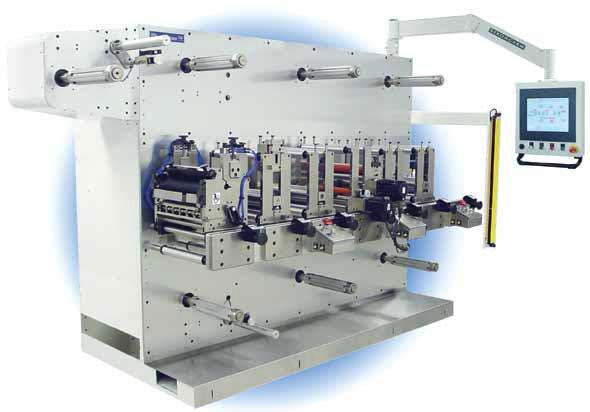
The realm of rotary die cutting holds significant importance across many industries, from automotive and electronics to healthcare and packaging. This technology’s exceptional ability to fabricate intricate shapes and designs with precision and high-speed production has made it an indispensable solution for manufacturers.